European Container Glass Federation: Response to the ANSES Report on Plastic Microplastics in Glass Packaging
Views : 276
Update time : 2025-10-20 13:57:17
The glass industry has made a formal response to the research report on microplastics (microplastics) released by ANSES (French National Agency for Food, Environment and Occupational Health and Safety) last week. This study detected the microplastic content of beverages such as water, carbonated drinks, iced tea, wine, and beer in different packaging containers (plastic, paper boxes, metal cans, and glass). Although some mainstream media reports have focused on the topic of "glass bottles containing microplastics", the researchers have subsequently revised the title to emphasize that these plastic particles actually come from bottle caps or seals, more precisely, the paint coating covering the bottle caps. Research has shown that mineral water bottles and wine bottles are significantly less contaminated by microplastics than beverage packaging such as cola and beer. FEVE ② (European Container Glass Federation) explicitly states that research data clearly indicates that the detected microplastics are associated with metal bottle caps or seals, rather than glass packaging bodies. Glass, as a benchmark packaging material for health, safety, and preservation, is essentially an inert material. ANSES research has confirmed that glass itself does not release microplastics, nor does it undergo chemical reactions with the food or beverages it contains. FEVE statement: "Consumer health and safety are our highest standards. As a glass packaging industry, we are firmly committed to working together with our industry chain partners to solve this problem and ensure the safest food and beverage packaging solutions for consumers.
 Insights into Premium Spirit Packaging (Ⅲ)– The Art and Function of Labeling & Printing.
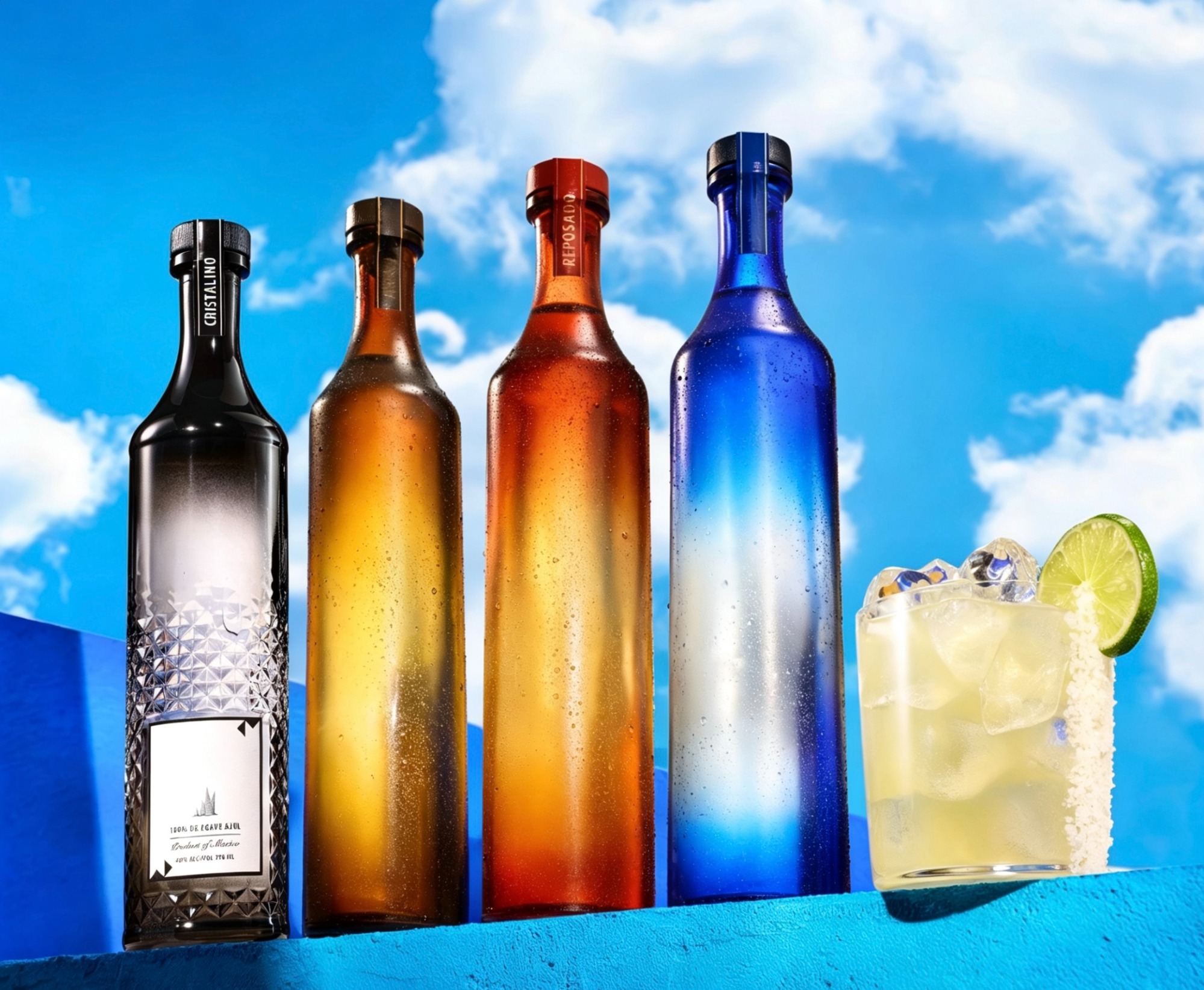 Insights into Premium Spirit Packaging (II)– Capturing Attention Through Strategic Color
 Elevating Premium Spirits Packaging (I) – The Clarity of Glass as a Mirror to Liquid Purity
 Cheers to a Shared Future!